Cold Process Dish Soap
When it comes to making effective and natural cleaning products at home, making your own cold process dish soap is a fantastic option. This recipe for Cold Process Dish Soap not only helps you clean your dishes but also offers a healthier and eco-friendly alternative to commercial soaps. With the right ingredients, you can create a soap that is gentle on the skin and effective at cutting through grease. You may also find Make The Cheesy Pasta Dish Of Your Cravings With This Easy Homemade Hamburger Helper Recipe Pasta And Ground Beef Are S Ground Beef Recipes Hamburger Helper Homemade Cheeseburger Meal Re useful.
WHY YOU WILL LOVE THIS Cold Process Dish Soap
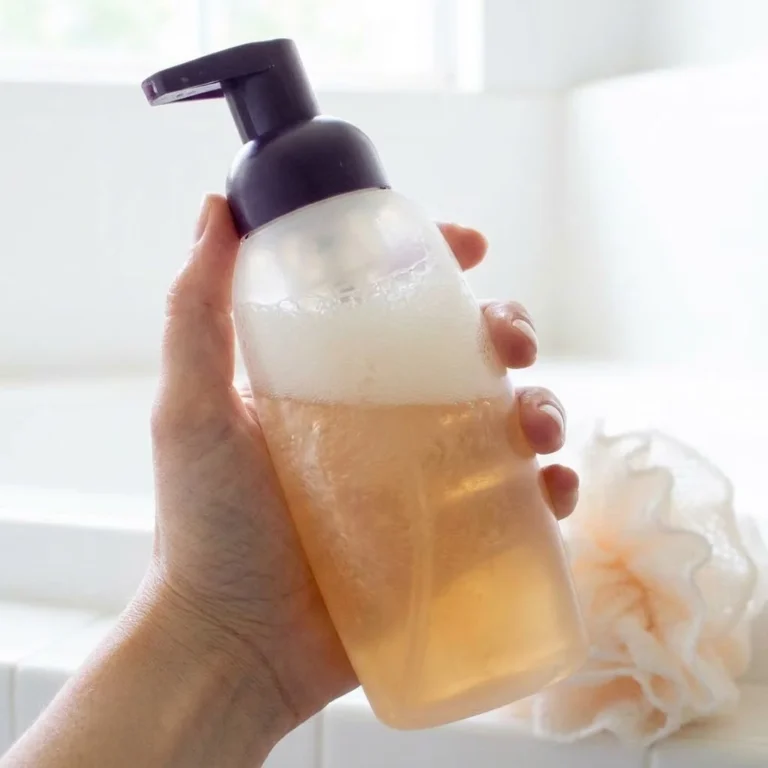
This cold process dish soap is a healthier version of traditional dishwashing liquids, often packed with harsh chemicals. By creating your own soap, you can control the ingredients and ensure that they’re safe for your family and the environment. Made with coconut oil and castor oil, this soap is not only effective but also moisturizing, making it a great choice for a sensitive skin-friendly option. You may also find Baked Feta With Fig And Pecan Topping Your New Favorite Appetizer For Every Occasion useful.
EQUIPMENT NEEDED
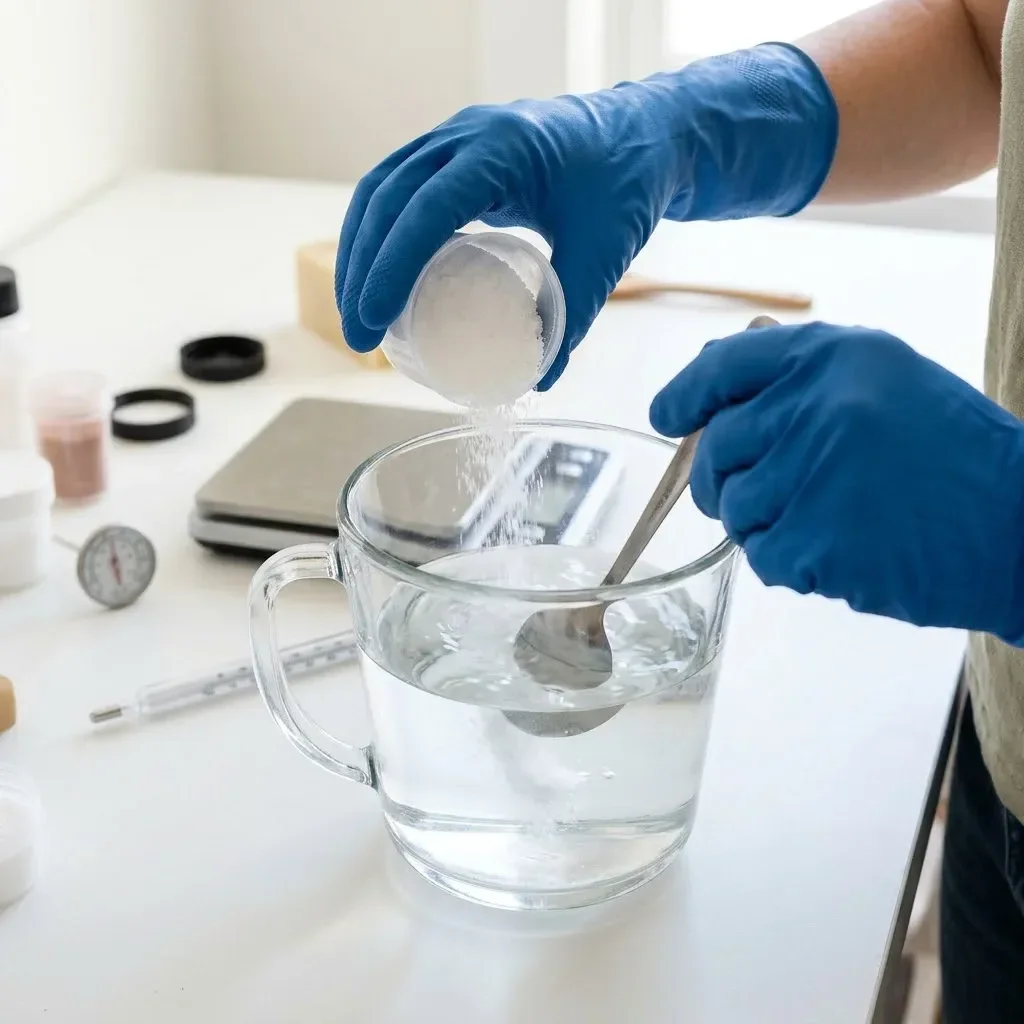
Heat-Proof Container
A heat-proof container is essential for mixing the lye and water safely. It needs to withstand high temperatures without melting or releasing toxins. You may also find Black Bean Burgers With Pimento Cheese And Cheddar Your Ultimate Guide To A Flavor Packed Vegetarian Burger useful.
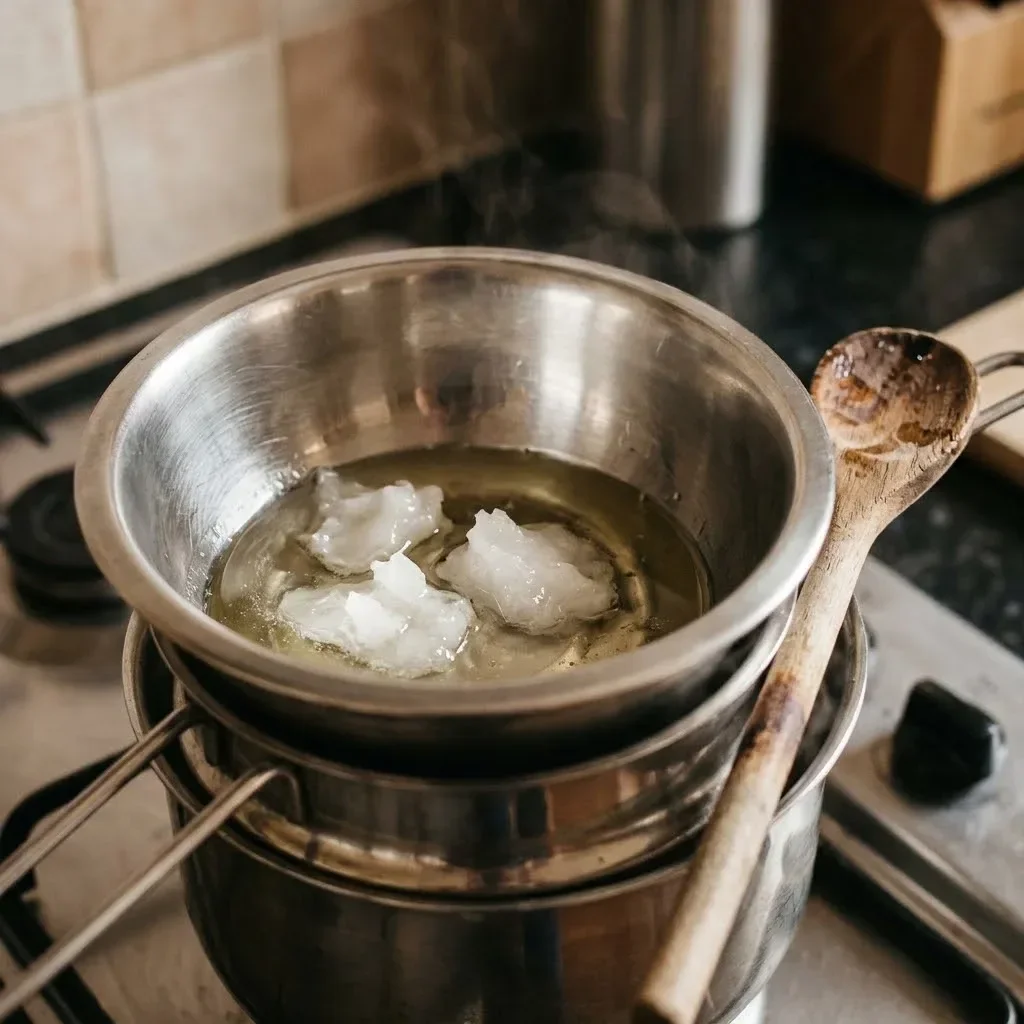
Double Boiler
A double boiler helps you melt the coconut oil and castor oil gently. This equipment prevents overheating and keeps your oils at the right temperature for soap making.
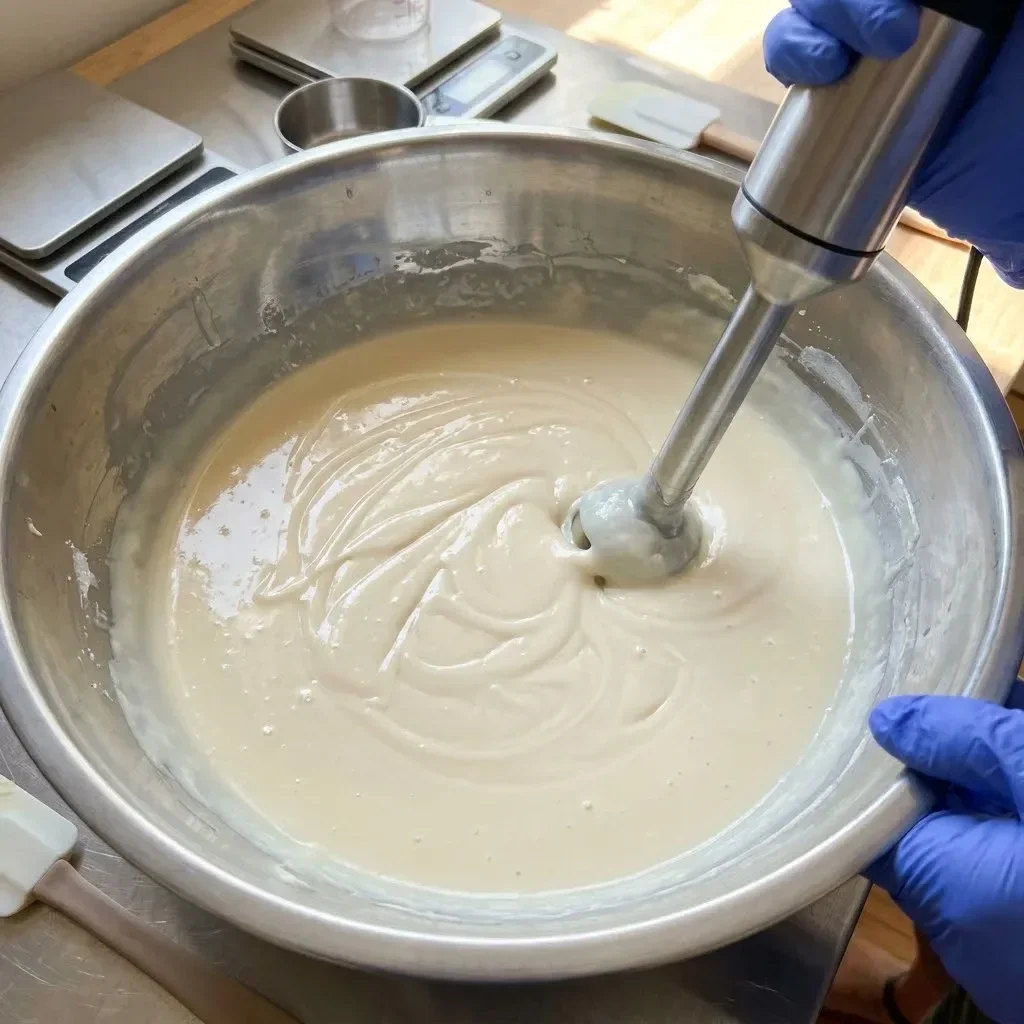
Tall Mixing Bowl
A tall mixing bowl is needed for blending the lye solution with the oils. Its height helps to avoid splashing and keeps the process cleaner.
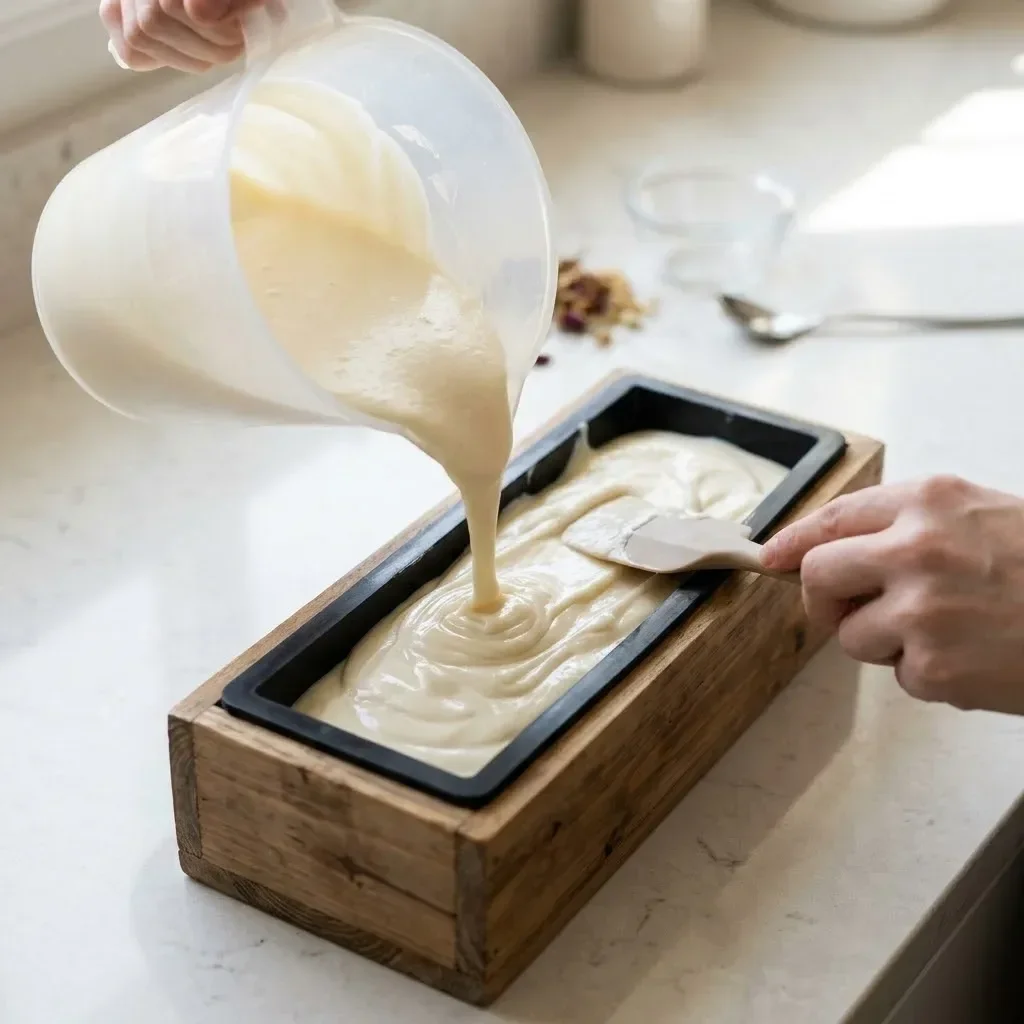
Soap Mold
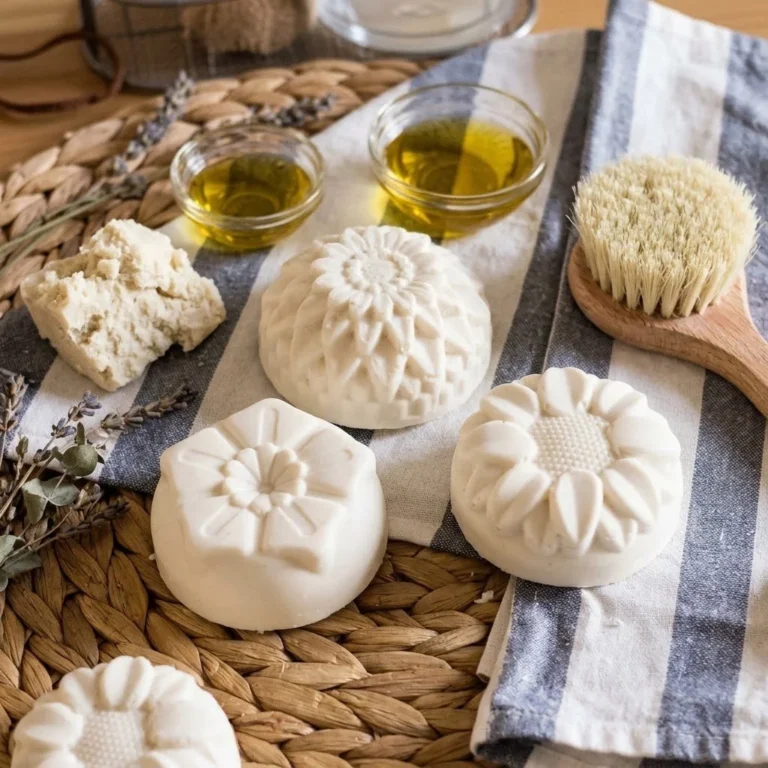
A soap mold is necessary for shaping your dish soap as it solidifies. You can use silicone molds or any container that suits your desired shape.
INGREDIENTS
Ingredient 1: 4.22 oz Lye (Sodium Hydroxide)
Lye is a crucial ingredient in making soap as it reacts with fats or oils to create a saponification process, turning them into soap.
Ingredient 2: 9.44 oz Water
Water is used to dissolve the lye, creating a lye solution that is integral for the soap-making process.
Ingredient 3: 22.85 oz Coconut Oil
Coconut oil is not only a wonderful base for soap but also gives your dish soap cleansing properties while being gentle on the skin.
Ingredient 4: 1.15 oz Castor Oil
Castor oil adds moisturizing benefits to your dish soap. It helps create a richer lather, making dishwashing more effective.
Ingredient 5: Isopropyl Alcohol
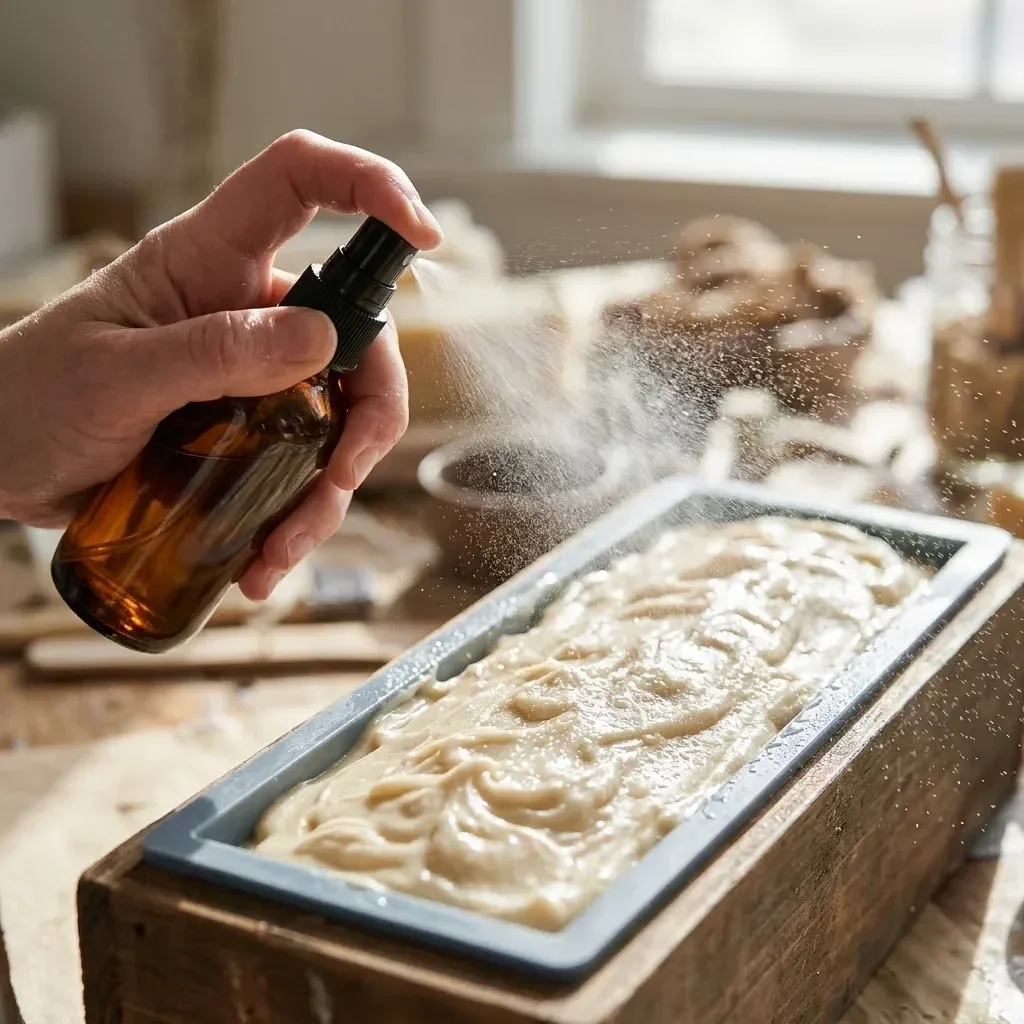
Isopropyl alcohol, when misted on the surface of your soap, helps to prevent soda ash from forming during the curing process.
HOW TO MAKE Cold Process Dish Soap
Step 1: Prepare the Lye Solution
In a heat-proof container, carefully add the lye to the water. Always remember to add lye to water and not the other way around, as it can create a violent reaction. Stir gently until the lye is fully dissolved. Set it aside to cool.
Step 2: Melt the Oils
In a double boiler, melt the coconut oil and castor oil together. Once melted, remove it from the heat and allow it to cool slightly.
Step 3: Combine Lye Solution and Oils
Once both the lye solution and oils have cooled to around 100–115 degrees F, slowly pour the lye water into the oils. Using an immersion blender, mix these ingredients together. Blend until the mixture reaches a medium trace, which means it thickens slightly and leaves a track when drizzled.
Step 4: Pour into Mold
Carefully pour the soap batter into a soap mold. Smooth the top with a spatula, ensuring even distribution.
Step 5: Mist with Alcohol
Using the isopropyl alcohol in a spray bottle, mist the surface of the soap. This step is important in preventing soda ash from forming as it cools.
Step 6: Let It Set
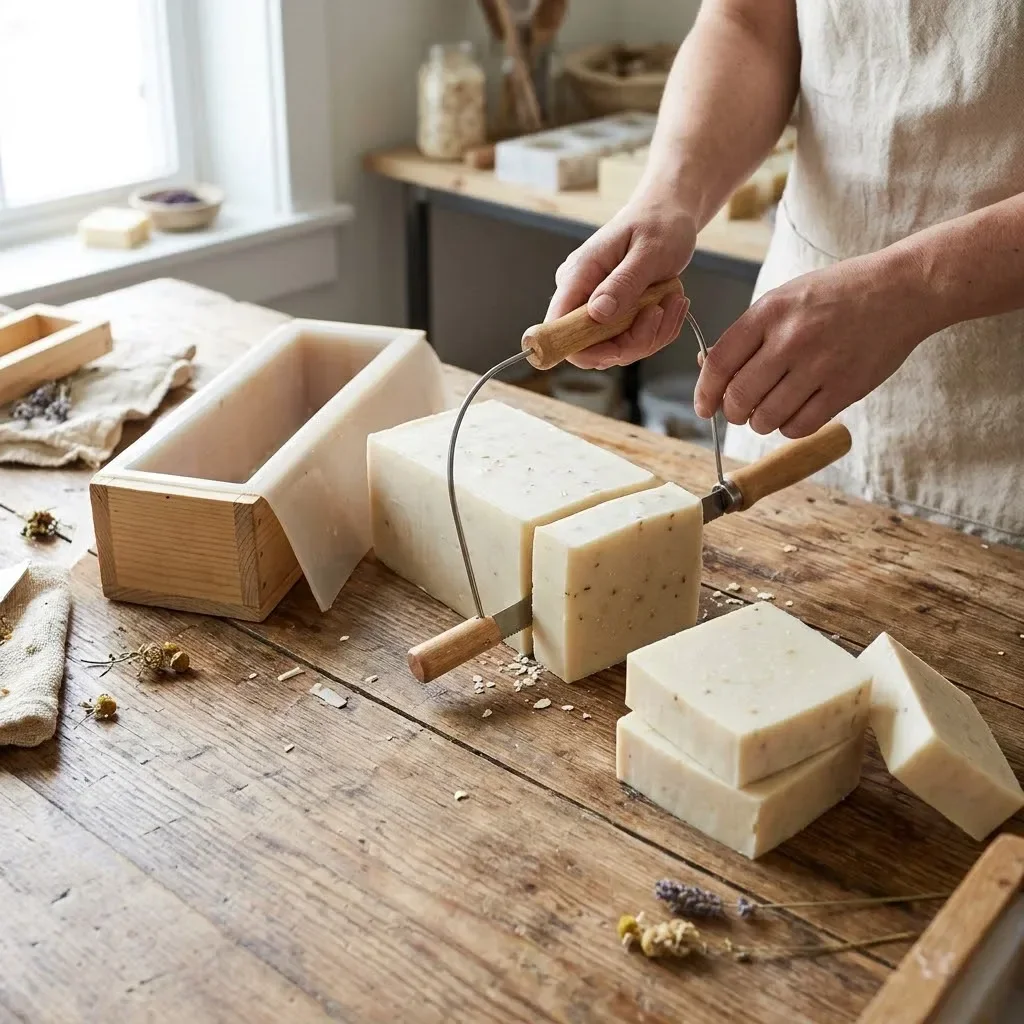
Allow the soap to set for about 3 days. After this time, unmold the soap and cut it into bars.
Step 7: Cure the Soap
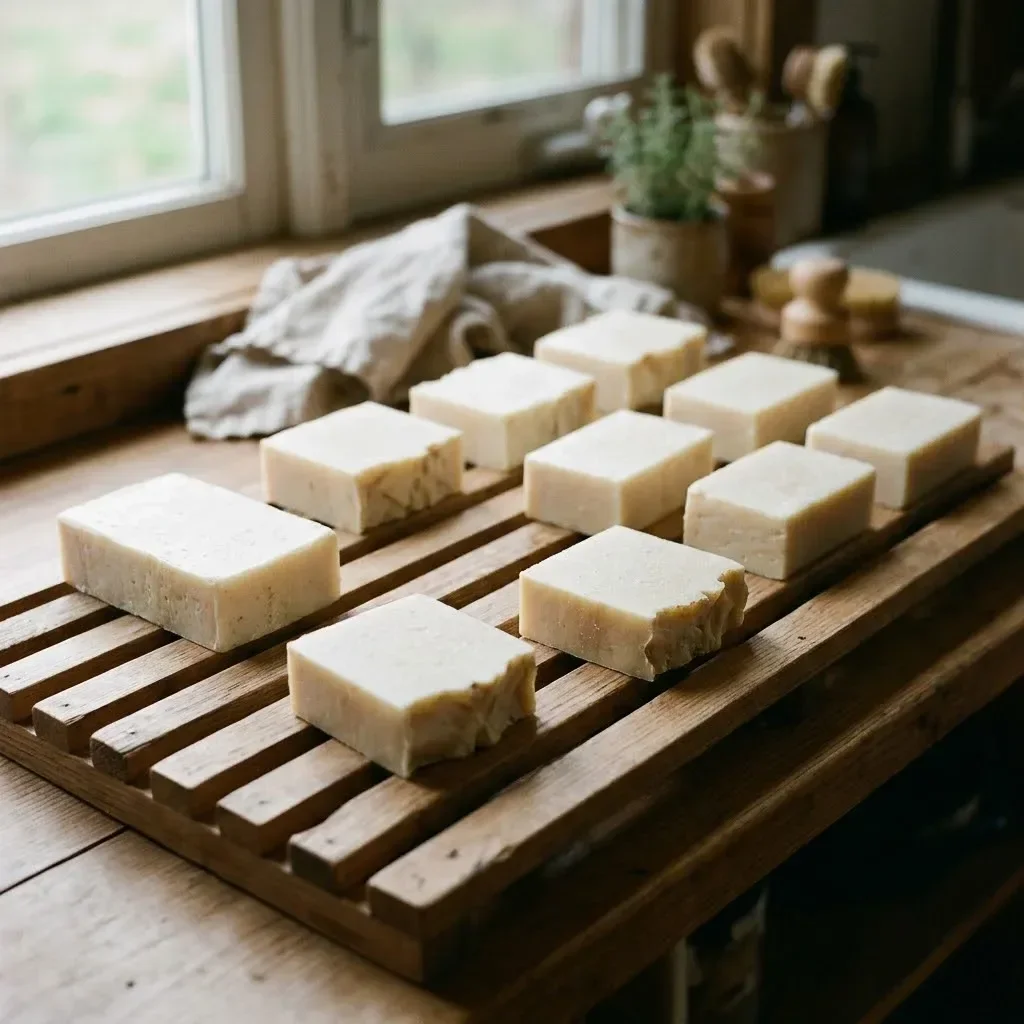
Space the soap bars apart and allow them to cure for about 6 weeks. This curing process allows for the soap to harden and allows any residual lye to neutralize.
TIPS AND TRICKS
- If you’re interested in meal prep ideas with minimal waste, consider using bars of homemade soap for cleaning and cutting down on plastic bottle waste.
- A great variation is adding essential oils for fragrance, making your dish soap smell refreshing while remaining healthy.
- Store your soap in a cool, dry place to prolong its life, and keep it away from direct sunlight.
- If you want a vegan option, consider substituting with other oils like olive oil for a softer soap.
Cold Process Dish Soap FAQ
Is this cold process dish soap safe for sensitive skin?
Yes, this homemade dish soap is a healthier version free from harsh chemicals, making it suitable for sensitive skin.
How should I store homemade dish soap?
Homemade soap should be stored in a cool and dry area. Avoid exposure to moisture to keep it from becoming soggy.
Can I use this soap for other cleaning purposes?
Absolutely! This cold process dish soap can be used for various cleaning purposes, making it versatile and practical for your home.
Is this recipe diabetic-friendly?
This recipe does not contain any sugars or artificial additives, making it suitable for those who are diabetic.
CONCLUSION
Creating your own cold process dish soap is not only satisfying but also promotes a healthier lifestyle. By choosing natural ingredients, you are making a strong statement about what goes on your skin and into your home. This soap offers a great balance of effectiveness and gentleness, perfect for everyday use. We encourage you to try this recipe and share your experience with variations you may have tried or loved!
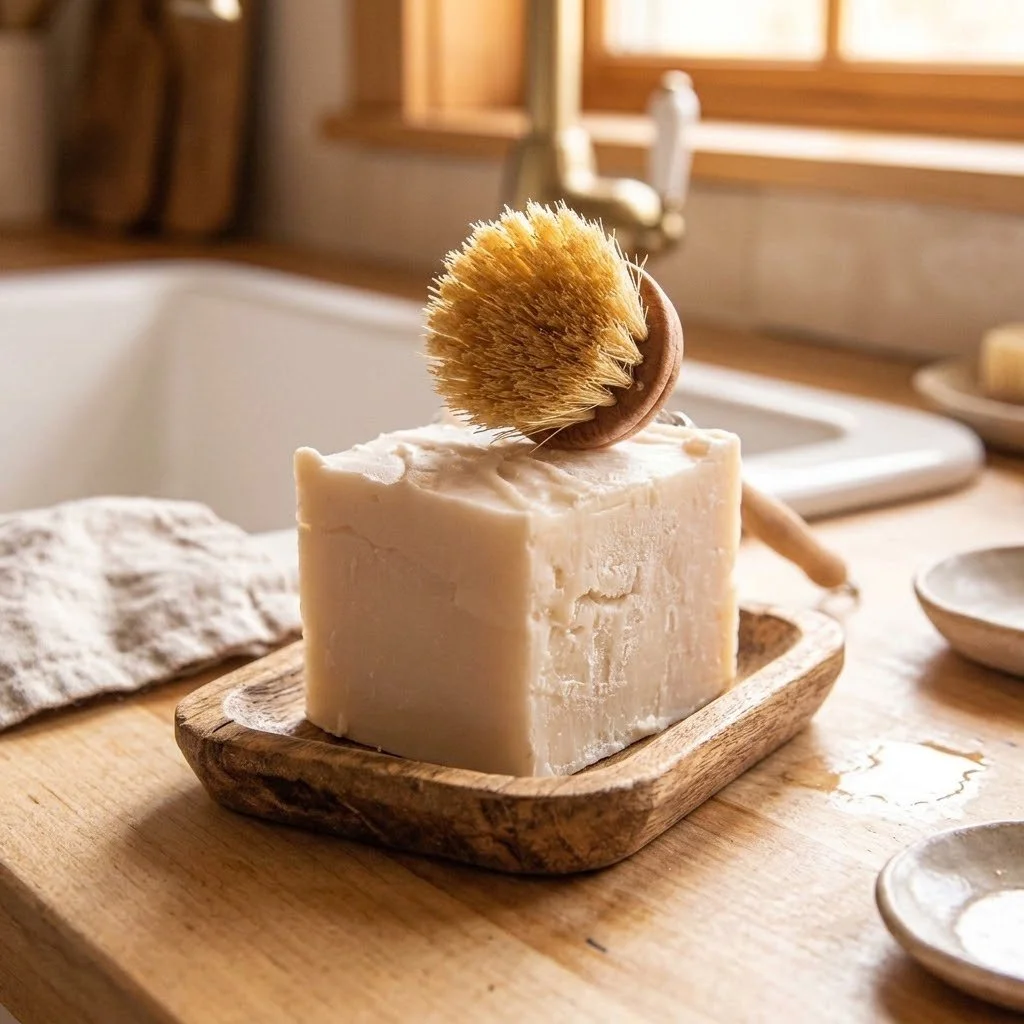
Cold Process Dish Soap
Ingredients
Method
- In a heat-proof container, carefully add the lye to the water, stirring gently until fully dissolved. Set aside to cool.
- In a double boiler, melt the coconut oil and castor oil together. Remove from heat and let cool slightly.
- Once both the lye solution and oils are around 100–115 degrees F, slowly pour the lye solution into the oils and blend with an immersion blender until medium trace is achieved.
- Pour the soap batter into a mold and smooth the top with a spatula.
- Mist the surface with isopropyl alcohol to prevent soda ash.
- Let the soap set for about 3 days, then unmold and cut into bars.
- Allow the soap bars to cure for about 6 weeks in a cool and dry place.