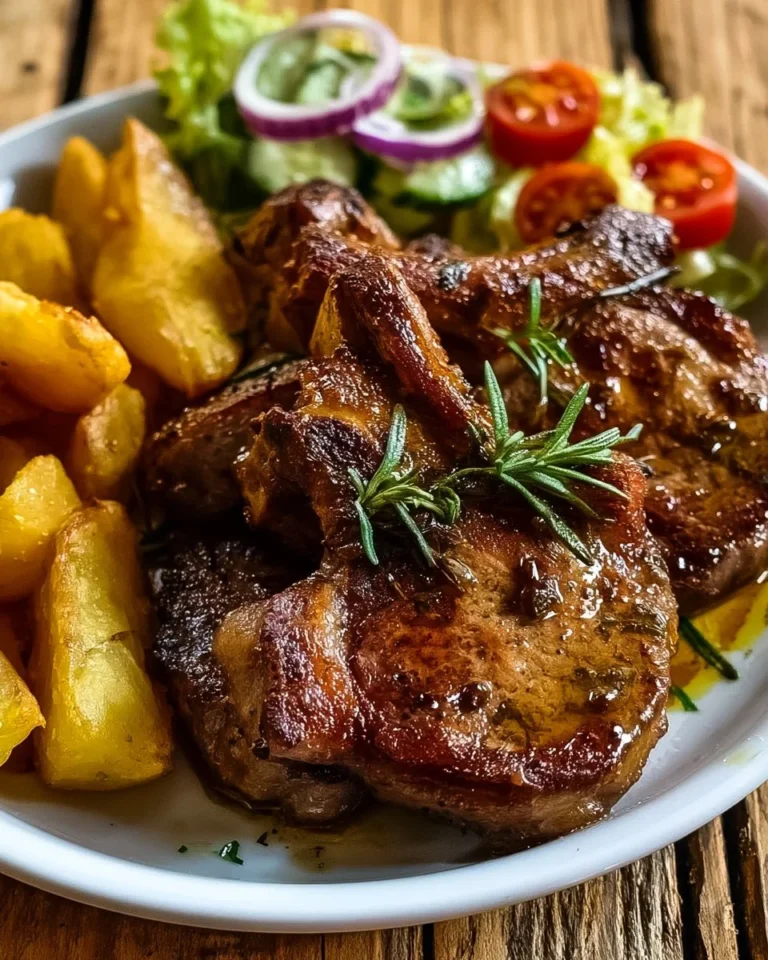
Anti Inflammatory Turmeric Chicken Soup
INTRODUCTION
Anti Inflammatory Turmeric Chicken Soup is a warm, bright, and healthy bowl made with turmeric, ginger, chicken, and fresh vegetables. This soup brings anti-inflammatory benefits from turmeric and ginger while giving you a high protein meal that feels gentle and healing. It is a lighter option compared to cream-based soups and works well as a healthy version of classic chicken soup.
If you like simple soups, you may also enjoy a creamy vegetable choice—try a creamy broccoli and cauliflower cheese soup on a different night for variety and comfort.
This soup is easy to make, low in sugar, gluten free, and can be a good for weight loss plan when part of balanced meals.
WHY YOU WILL LOVE THIS RECIPE
You will love this soup because it is a balanced meal with lean protein, fiber, and warm spices. It is a great for meal prep dish that stores well and reheats easily. The turmeric and ginger add anti-inflammatory benefits and a bright, warm flavor. Use bone-in chicken for the best broth, or choose skinless pieces for a lighter option. This recipe is diabetic-friendly when you skip starchy grains or use a small portion of whole grain rice or quinoa.
The soup also fits many diets: it can be a low carb, gluten free, and heart healthy option if you keep the salt low and use extra vegetables. If you want other soup ideas, try pairing it with a mild vegetable cheese soup like broccoli and cauliflower cheese soup on a different day to vary your weekly menu.
HOW TO MAKE Anti Inflammatory Turmeric Chicken Soup
This recipe builds flavor in simple steps. Cook the onion and vegetables, toast the spices, simmer the chicken, shred, add greens and coconut milk, then finish with lemon. It makes a rich broth without heavy creams. This is a healthy version of chicken soup that still has a creamy touch from coconut milk and bright lemon.
For more soup ideas that are easy to cook and full of vegetables, you can also explore a comforting recipe like broccoli and cauliflower cheese soup, which pairs well when you want a richer side.
EQUIPMENT NEEDED
- Large heavy-bottomed pot or Dutch oven
- Wooden spoon or heat-safe spatula
- Sharp knife and cutting board
- Measuring spoons and cups
- Large ladle
- Tongs or slotted spoon for removing chicken
- Two forks for shredding
Ingredients You’ll Need :
- 2 lbs bone-in chicken thighs or whole chicken pieces
- 2 tablespoons olive oil or coconut oil
- 1 large yellow onion, diced
- 3 medium carrots, sliced into rounds
- 3 celery stalks, chopped
- 4 cloves garlic, minced
- 2 tablespoons ground turmeric (or 3 tablespoons fresh, grated)
- 1 tablespoon fresh ginger, grated
- 1 teaspoon ground cumin
- 1/2 teaspoon black pepper (essential for turmeric absorption)
- 1 bay leaf
- Salt to taste
- 8 cups low-sodium chicken broth
- 2 cups water
- 2 tablespoons fresh lemon juice
- 1 cup cooked rice, quinoa, or noodles
- 2 cups fresh spinach or kale, chopped
- 1/4 cup fresh cilantro or parsley, chopped
- 1 can (14 oz) coconut milk for creaminess
STEP-BY-STEP INSTRUCTIONS :
- Prepare the Aromatics, Heat the oil in a large, heavy-bottomed pot over medium heat. Add the diced onion and cook for 3-4 minutes until it begins to soften and turn translucent. The gentle sizzling sound tells you you’re on the right track. Add the carrots and celery, cooking for another 3 minutes until the vegetables start to brighten in color.
- Build the Flavor Base, Stir in the minced garlic, turmeric, ginger, cumin, and black pepper. Cook for about 30 seconds until the kitchen fills with that incredible golden aroma. This step is crucial – toasting the spices releases their essential oils and creates the complex flavor foundation that makes this soup so special.
- Add the Chicken and Liquid, Nestle the chicken pieces into the pot, skin-side down if using skin-on pieces. Pour in the chicken broth and water, ensuring the liquid covers the chicken by about an inch. Add the bay leaf and bring the mixture to a gentle boil over medium-high heat.
- Simmer to Perfection, Once boiling, reduce the heat to low and let the soup simmer gently for 45-60 minutes. You’ll know it’s ready when the chicken is tender enough to shred easily with a fork, and the broth has developed a beautiful golden color from the turmeric.
- Shred and Season, Remove the chicken pieces and let them cool slightly before shredding the meat and discarding the bones and skin. Return the shredded chicken to the pot, stir in the lemon juice, and season with salt to taste. If using coconut milk or leafy greens, add them now and simmer for an additional 2-3 minutes.
- Final Touches, Remove the bay leaf and taste for seasoning. The soup should be aromatic, golden, and perfectly balanced between the earthiness of turmeric and the brightness of lemon. Garnish with fresh herbs just before serving.

HOW TO SERVE Anti Inflammatory Turmeric Chicken Soup
Serve the soup hot in medium bowls. For a balanced, healthy serving, use about 1.5 to 2 cups per person. If you add rice, quinoa, or noodles, keep the portion to about 1/2 cup cooked per bowl to control calories and carbs. This soup is a high protein meal when you use the full amount of chicken. Top with fresh cilantro or parsley and a squeeze of lemon for bright flavor.
For diabetic-friendly portions, skip the rice and serve with a side salad. For those wanting low calorie options, use skinless chicken and light coconut milk or omit coconut milk.
STORAGE & FREEZING : Anti Inflammatory Turmeric Chicken Soup
Cool the soup quickly and store in airtight containers. It keeps in the fridge for 3–4 days. To freeze, portion the soup into freezer-safe containers and leave some headroom for expansion. The soup freezes well for up to 3 months. Thaw overnight in the fridge before reheating on the stove over low heat until hot. If you added noodles or rice, store them separately for best texture and add when reheating.
SERVING SUGGESTIONS
- Balanced side salad of mixed greens, cucumber, and cherry tomatoes for fiber.
- Roasted vegetables for added vitamins and a low carb plate.
- A small serving of whole grain bread or a half cup cooked quinoa for extra carbs if you need more calories.
For a lighter option and a low carb meal, skip the grain and pair the soup with a simple sautéed green vegetable. For a heart healthy meal, keep sodium low and use extra fresh herbs and lemon for flavor. If you want a creamy, comforting switch, pair with a vegetable cheese soup like the broccoli and cauliflower cheese soup on a separate night as a treat.
VARIATIONS
- Healthier version: Use skinless chicken breast or thighs and light coconut milk. Reduce oil to 1 tablespoon and skip added grains to keep calories lower. This is a healthy version ideal for those watching calories.
- High-protein or low-carb version: Increase chicken to 3 lbs and remove rice or noodles. Add extra spinach or kale and serve over cauliflower rice for a low carb, high protein meal. This is a good for weight loss option when paired with vegetable sides.
- Air fryer or oven-baked version: Roast or air fry the seasoned chicken thighs at 400°F for 18-22 minutes until cooked through. Add roasted chicken to the finished broth instead of simmering raw chicken. This method gives crisp flavor and saves time if you like air fryer cooking. It also works as a meal prep step: roast several thighs, shred, and freeze portions for quick soup builds.

FAQs
Q: Is this soup good for people with diabetes?
A: Yes. The soup can be diabetic-friendly when you limit added starches like rice or noodles and use low-sodium broth. The vegetables and protein help keep blood sugar steady. Always check with your healthcare provider for personal advice.
Q: Does turmeric really reduce inflammation?
A: Turmeric contains curcumin, which studies show can help reduce inflammation. Black pepper helps curcumin absorb better. This soup combines turmeric and black pepper in a tasty, easy form to add anti-inflammatory foods to your diet.
Q: How long does the soup last in the fridge?
A: Store in an airtight container for 3–4 days. Reheat until hot. Freeze in portions for up to 3 months for longer storage.
Q: Can I make this soup low calorie?
A: Yes. Use skinless chicken, reduce oil, use light coconut milk or skip it, and omit rice. Add more vegetables to keep the bowl full while lowering calories. This makes the soup a lighter option that supports weight loss when paired with portion control.
Q: Can I make this soup vegetarian?
A: You can adapt the recipe by using vegetable broth, firm tofu or chickpeas for protein, and extra vegetables. Use the same spice base for flavor and add coconut milk and lemon at the end.
MAKE-AHEAD TIPS FOR Anti Inflammatory Turmeric Chicken Soup
- Cook the full soup and cool. Store in meal-sized containers for up to 4 days. Reheat on the stove or in the microwave. This soup is great for meal prep.
- Roast or air fry extra chicken ahead of time. Shred and freeze in portions. Add directly to warmed broth when needed.
- Keep grains like rice or quinoa separate in the fridge or freezer to prevent mushy texture. Add a small portion to each bowl when serving.
- Pre-chop carrots, celery, and onions and store in the fridge for up to 3 days to cut cooking time.
- Make a large batch of broth and freeze in 2-cup portions to speed up future soup cooks.

Anti Inflammatory Turmeric Chicken Soup
Ingredients
Method
- Heat the oil in a large, heavy-bottomed pot over medium heat. Add the diced onion and cook for 3-4 minutes until it begins to soften and turn translucent.
- Add the carrots and celery, cooking for another 3 minutes until the vegetables start to brighten in color.
- Stir in the minced garlic, turmeric, ginger, cumin, and black pepper. Cook for about 30 seconds until fragrant.
- Nestle the chicken pieces into the pot. Pour in the chicken broth and water, ensuring the liquid covers the chicken by about an inch. Add the bay leaf and bring to a gentle boil.
- Once boiling, reduce heat to low and let the soup simmer for 45-60 minutes until chicken is tender and easily shredded.
- Remove chicken, shred the meat, and return it to the pot. Stir in lemon juice and season with salt. Add coconut milk and leafy greens, simmer for another 2-3 minutes.
- Remove the bay leaf and adjust seasoning before serving.